
Key Highlights:
- Always check official sources first: Ticketmaster, AXS, or the venue box office.
- Resale tickets are legal — just stick to platforms with a buyer guarantee (StubHub, SeatGeek).
- Never pay a stranger with Venmo, Zelle, Cash App, or a wire transfer. Ever.
- Resale prices often drop 24–48 hours before showtime — patience pays off if you’re flexible.
There’s nothing like being in a crowd when the lights go dark. That split second before the first note — no playlist, no livestream, nothing at home replicates it. But getting there? That’s where things can go sideways fast.
Ticket scams have gotten more sophisticated. Fees show up late in checkout. Sold-out shows trigger bad decisions made in a panic. I’ve overpaid, bought from the wrong source, and learned what to watch for the hard way. This guide puts all of that experience in one place — so you can walk through the venue doors with a valid ticket and zero regret.
Always Start With the Official Source for Concert Tickets
The safest place to buy any ticket is the official source — full stop. That means the artist’s website, the venue’s box office page, or a major authorized ticketing platform. Not a friend of a friend. Not a reseller DM. The official source.
Buying official gets you face-value pricing, verified tickets, and an actual customer support line if something goes wrong. Once you stray from authorized sellers, all of those protections disappear — and the risk is rarely worth the supposed savings.
Trusted official platforms:
- Ticketmaster.com — covers most major arenas, stadiums, and tours in the US and globally
- AXS.com — official ticketer for a large number of venues across the US and UK
- See Tickets — widely used for UK concerts and festivals
- The venue’s own website — worth checking directly; some venues sell a portion of tickets through their own box office with no added fees
If your favorite artist has a fan club or email newsletter, sign up before the on-sale date. Presale access through those channels can make or break your shot at tickets for high-demand shows.
How to Spot a Concert Ticket Scam Before It Hits Your Wallet
Scammers show up wherever crowds do — and live events are a prime target. Fake listings, cloned ticketing sites, and social media sellers are a real problem, especially around sold-out shows. The best defense is knowing what a scam looks like before you’re in the middle of one.
Red flags to stop you cold:
- Someone selling tickets through Instagram DMs, Facebook Marketplace, random texts, or Twitter/X
- Prices that seem impossibly low — like front-row seats to a sold-out arena show going for next to nothing
- A seller pushing you to decide right now because “someone else is interested”
- Payment requests via Venmo, Cash App, Zelle, wire transfer, or cryptocurrency
- A URL that looks almost right but has a small typo or extra word — always double-check the domain
- Anyone claiming to be an “official agent” who isn’t listed on the artist’s actual website
The fake urgency trick is one of the oldest cons in the playbook. Pressure to act immediately is designed to stop you from thinking clearly. If something feels rushed or too perfect, slow down. Walk away if you have to. A legitimate ticket will still be available after you take five minutes to verify.
When Resale Tickets Are Fine — and How to Buy Them the Right Way
Resale tickets are completely legal and often the only option once primary sales close. The difference between a safe resale purchase and a nightmare is which platform you use.
Resale platforms with solid buyer protection:
- StubHub — one of the most established resale marketplaces; their FanProtect guarantee means if your ticket doesn’t scan at the door, they’ll replace it or refund you
- SeatGeek — transparent pricing with a Deal Score feature that shows whether you’re paying fair market value for your seat
- Vivid Seats — buyer guarantee in place, strong inventory for major tours and residency shows
- AXS Official Resale — tickets resold through AXS’s own verified system, fully authenticated
The one non-negotiable: always look for a buyer guarantee. Without it, you have zero recourse if your ticket fails to scan. With it, you have a safety net that actually holds up.
Also worth doing: run a quick price comparison across two or three platforms before you commit. The same seat can be listed at very different prices depending on where you look. It takes about two minutes and can save you real money.
When to Buy Concert Tickets — Timing Makes a Big Difference
Timing your purchase right can mean the difference between a fair price and a painful one. Most people don’t think about this — they either buy the second tickets drop or panic-buy when they see something is selling out. Neither is always the right move.
Here’s how ticket prices typically move:
- The moment tickets go on sale — face value, maximum availability. If you know you want to go, this is usually the best time.
- Right after general sale sells out — this is when resale prices spike hardest. Avoid buying in this window if you can.
- A few weeks before the show — prices settle as the initial frenzy cools.
- 24–48 hours before showtime — the hidden sweet spot. Sellers who haven’t moved their tickets start cutting prices to avoid being stuck with them. Real bargains show up here for flexible buyers.
Being open to different sections also works in your favor. If you’re not locked into one specific area of the venue, you’ll almost always find better value.
How Presales Work — and How to Get In Before Everyone Else
Presale access lets you buy tickets before the general public — and for high-demand shows, that window is often the only chance you get. Understanding how each type of presale works means you’re not scrambling when the public sale opens and everything is already gone.
Common presale types and how to access them:
- Artist fan club presale — sign up for the artist’s official email list or fan membership. Codes typically arrive a day or two before the public on-sale date.
- Venue presale — many venues run early access for members or newsletter subscribers. Worth joining your local venue’s mailing list.
- Credit card presale — Citi, Capital One, and American Express regularly partner with major platforms for exclusive early access. Check your card benefits before a big show goes on sale — you may already qualify.
- Spotify Fans First — Spotify often gives early ticket access to an artist’s most active listeners. Keep an eye on the app when a tour is announced.
The most critical thing is knowing exactly when the presale window opens. Follow the artist across social media, set alerts on Ticketmaster and AXS, and be ready to move — presale windows usually last just 24 to 48 hours, and the best seats are gone in minutes.
Safe Payment Methods for Buying Concert Tickets
How you pay matters as much as where you buy. The right payment method gives you real, enforceable protection. The wrong one gives you nothing if things fall apart.
Always pay with:
- A credit card — this is your strongest layer of protection. If tickets turn out to be fraudulent, you can dispute the charge with your bank and have a solid shot at getting your money back. Most financial experts recommend this for exactly that reason.
- PayPal — buyer protection applies when paying through an authorized platform. A solid secondary option.
Never use these when buying from individuals:
Cash App, Venmo, Zelle, Apple Pay sent to a stranger, wire transfer, or cryptocurrency. None of these offer any buyer protection. Once that payment clears, it’s gone — and there’s no mechanism to recover it.
Even when buying through a legitimate resale platform, paying with a credit card layers your bank’s protection on top of the platform’s own guarantee. Two layers of protection are always better than one.
Top 10 Tips for Planning Multiple Shows in One Season
Going to more than one event — or stacking a few into a single trip — rewards anyone who plans ahead. Here’s what actually works in practice.
- Lock in your hardest-to-get ticket first. Secure the most in-demand show before everything else, then plan the rest around it.
- Set a total budget before you buy anything. Excitement is expensive. Decide on a number upfront and hold to it.
- Check venue policies before show day. Bag rules, entry requirements, and ID checks vary by venue and can cause serious problems at the door if you’re caught off guard.
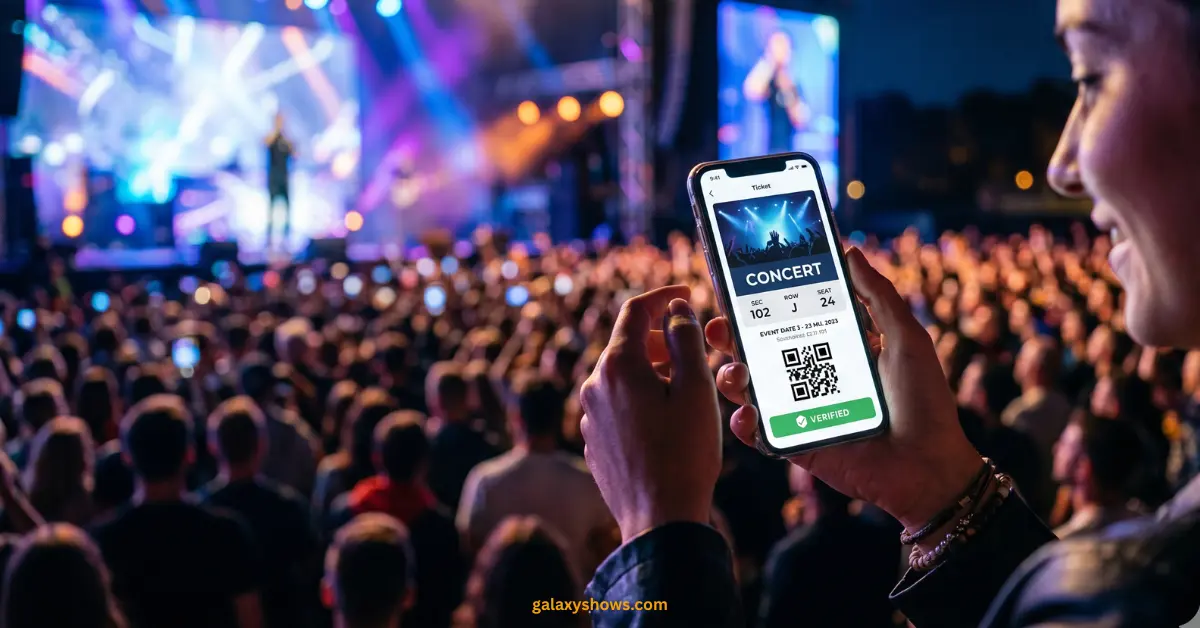
- Screenshot every ticket and save offline. Mobile data inside packed arenas is unreliable. Having your QR code saved offline — or a printed backup — prevents a stressful moment at the gate.
- Arrive early, especially for general admission. Getting there 30–45 minutes before doors open gives you better positioning and far less stress getting in.
- Keep all tickets in one place. Use Apple Wallet or Google Wallet to store everything together. Digging through emails at the door is not the move.
- Build real buffer time between shows. Traffic, parking, and venue exits all take longer than expected. Don’t cut it close.
- Read the refund policy before you check out. Most primary tickets are non-refundable. Some platforms allow cancellations up to 24 hours before showtime. Know this before you buy, not after.
- Follow the artist on social media after purchasing. Cancellations, rescheduled dates, and venue changes are almost always announced there before anywhere else.
- Look for bundled packages when attending multiple shows. Some platforms combine tickets with hotel stays or other perks at a better price than buying everything separately.
One last thing: The mistake that costs people the most money — and the most stress — is waiting until a show sells out and then panic-buying from the first resale listing that appears. Take your time. Use the right platform. Pay with a credit card. And trust your instincts if something feels off. Live music is absolutely worth it — just make sure your money goes somewhere legitimate.
FAQ: Buying Concert Tickets Safely
What is the safest way to buy concert tickets online?
Buy directly from the official platform on the artist’s or venue’s website. If you need resale, use StubHub or SeatGeek — both have verified buyer guarantees. Always pay with a credit card.
Are resale tickets legal and safe to buy?
Yes, resale tickets are legal. Stick to platforms with buyer protection, and you’re covered if a ticket doesn’t scan. Buying from individuals on social media is where it gets risky.
What should I do if I get scammed buying concert tickets?
Dispute the charge with your bank immediately. In the US, report it at ReportFraud.ftc.gov. In the UK, use actionfraud.police.uk. Act fast — speed matters.
How early should I buy tickets for a popular show?
As early as possible. Top tours sell out in minutes. Sign up for presales, set a reminder, and be logged in before the sale opens.
Why do ticket prices vary so much between platforms?
Resale prices are set by individual sellers and shift with demand and timing. Always compare two or three platforms before buying — same seat, lower price.
Visit Galaxy Shows for Related Information: Galaxy Shows