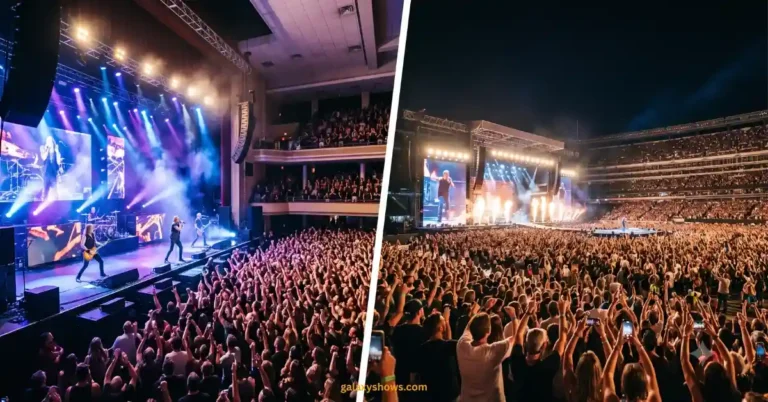

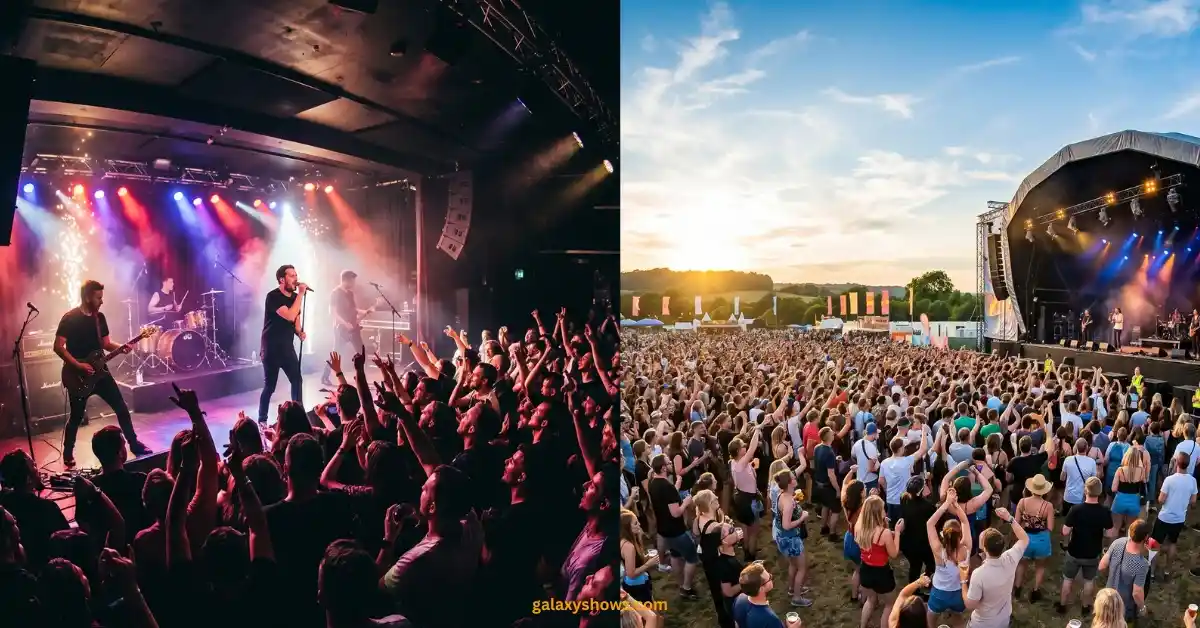
Key Highlights:
- The Indoor Winner: Best for flawless, crisp sound engineering, high-tech immersive light production, and zero weather anxieties.
- The Outdoor Winner: Best for massive, uninhibited crowd energy, freedom of movement, and beautiful scenic backdrops like sunsets.
- The Reality Check: Indoor shows offer reliable comfort but can feel claustrophobic, while outdoor shows offer ultimate freedom but can be derailed by a sudden downpour.
There is nothing quite like the feeling of buying a ticket, counting down the days, and finally standing in front of a live stage. But before you even look at the setlist, one massive factor completely shapes your entire night out: the environment. Choosing between a closed arena and an open-air festival field changes everything from the bass shaking your chest to how you pack your bags.
Neither option is perfect, and both offer completely different ways to experience your favorite songs. Let’s break down the honest pros and cons of an indoor vs. outdoor music concert so you know exactly what you are signing up for next time you hit the box office.
Which Environment Has the Best Sound Quality?
Indoor concerts offer significantly better, more controlled audio engineering because the venue’s physical structure contains the music. In a closed arena, theater, or club, sound waves bounce off deliberately placed dampening panels rather than escaping into thin air. This keeps the bass tight and ensures you can hear the lead singer’s vocals clearly, even from the back rows.
Outdoor sound is an entirely different beast. Without walls to contain the audio, sound waves simply travel out forever, meaning the mix can easily lose its punch if you are standing too far from the speaker stacks.
Even worse, a strong gust of wind can literally carry high-end frequencies away, making the vocals sound hollow or distant. If you consider yourself a true audiophile who wants to hear every single instrument mix perfectly, the indoor vs. outdoor music concert audio battle is won by indoor venues by a landslide.
How Does the Audience Energy and Space Compare?
Outdoor concerts blow indoor venues out of the water when it comes to raw crowd energy, freedom of movement, and overall breathing room. There is a unique magic to standing in a massive open field or a historic stadium. Because you aren’t crammed into numbered plastic seats, the crowd naturally flows, dances, and spreads out comfortably.
- Outdoor Freedom: You can easily step away from the dense pit to grab a drink, lie down on a blanket in the grass, or just enjoy the sunset while the band plays.
- Indoor Intensity: Indoor shows definitely feel more intimate and intense because everyone is packed tight under one roof. The crowd’s cheers echo off the ceiling, creating an absolute wall of noise.
However, that intensity comes with a price. Indoor floors can quickly become incredibly hot, sweaty, and claustrophobic. If someone spills a drink next to you on a packed arena floor, you are stuck standing in it for the next two hours.
Also Read: Stadium vs Arena vs Theater Shows — Which Concert Experience Is Actually Worth It?
Dealing with the Elements: Comfort vs. Adventure
Indoor venues offer guaranteed climate control, clean restrooms, and absolute protection from unpredictable weather emergencies. When you buy a ticket for an arena show, you know exactly what to expect. The temperature will be regulated, the lights will work perfectly, and you can leave your rain gear at home.
Outdoor shows turn the entire night into an unpredictable outdoor adventure. Standing in a sun-drenched field listening to your favorite band while the sun sets is a core memory experience. But if the weather turns sour, things get miserable fast.
Sudden summer thunderstorms can turn a pristine lawn into a giant mud pit, forcing production teams to delay or pause the show due to lightning risks. Furthermore, navigating a long line of portable restrooms in the dark is a festival rite of passage that many casual fans would gladly skip.
Production Value: Visual Effects and Staging
Indoor stages allow artists to utilize highly complex, theatrical light shows, lasers, and crisp LED screens that don’t have to compete with natural daylight. Because an indoor venue is dark from the moment the doors open, opening acts get the exact same stunning visual production as the headliner. The shadows, strobe timings, and foggy atmospheres look incredibly sharp and intentional.
Outdoor shows have to deal with the sun. If your favorite artist takes the stage at 5:00 PM on a bright July afternoon, their expensive laser packages and background video walls will look completely washed out for the first half of the set.
The visual production only truly comes alive once night falls. That being said, top-tier festivals overcome this by building mind-blowing, colossal stage structures that look like temporary cities, offering a sense of scale that no indoor arena could ever fit through its loading doors.
The Expert Takeaway:
When weighing an indoor vs. outdoor music concert, let the music type guide your choice. If you are heading out to see a vocal-heavy, storytelling artist or a tech-heavy electronic act, buy the indoor ticket for the flawless sound and lights. If you are catching a high-energy rock band, a country star, or a massive hip-hop tour, go outdoor—the freedom of the open air and the shared energy of a massive field simply cannot be replicated inside a concrete box.
Frequently Asked Questions
Are outdoor concert tickets more expensive than indoor ones?
Not necessarily. Single outdoor festival day-passes can have higher face values because you are getting access to 10 to 15 different artists across multiple stages. A standard indoor arena ticket only covers the headliner and one or two openers, though premium indoor seating can easily surpass festival pricing.
What should I always pack for an outdoor music event?
You should always bring high-fidelity ear protection, a portable phone charger, a clear water bottle, sunscreen, and a lightweight poncho. Packing light but preparing for temperature drops after dark will save your night.
Which type of concert is safer for your hearing?
Outdoor concerts are generally safer for your hearing. Indoor concerts are tougher on your ears because the sound waves are trapped and continually reflect off hard walls, creating higher ambient decibel levels. Always wear earplugs regardless of the venue type to protect against long-term tinnitus.
Do outdoor concerts get canceled easily if it rains?
Most outdoor music events operate under a “rain or shine” policy and will continue through normal rainfall. Shows are typically only paused or canceled if high winds, local flooding, or active lightning threats put the stage structures or crowd safety at risk.
Keep Reading:
- Best Time to Buy Concert Tickets for Lower Prices
- Concert Seating Guide: Best Seats for Every Type of Show
- Best Cities in the USA for Live Shows & Concerts
- How Concert Tours in the USA Actually Work — From Planning to Show Night