
Key Highlights
- Proximity: Compare the concert’s actual lower-area locations with the stage arrangement.
- Assigned placement: A reserved listing should identify its section, row and seat.
- Lawn choice: Account for distance, rental-chair availability and the small-blanket limit.
- Accessibility: Select the required features before ranking ordinary tickets by price.
At a Glance
| Priority | What to compare | Qualification |
|---|---|---|
| Nearer performers | Available stage-facing lower-area tickets | Check the actual admission format |
| A known place | Reserved inventory | Verify the precise row and seat |
| Lawn attendance | The event’s lawn category | Personal chairs are prohibited |
| Accessible visit | Suitable designated tickets | Pair the seat with the arrival route |
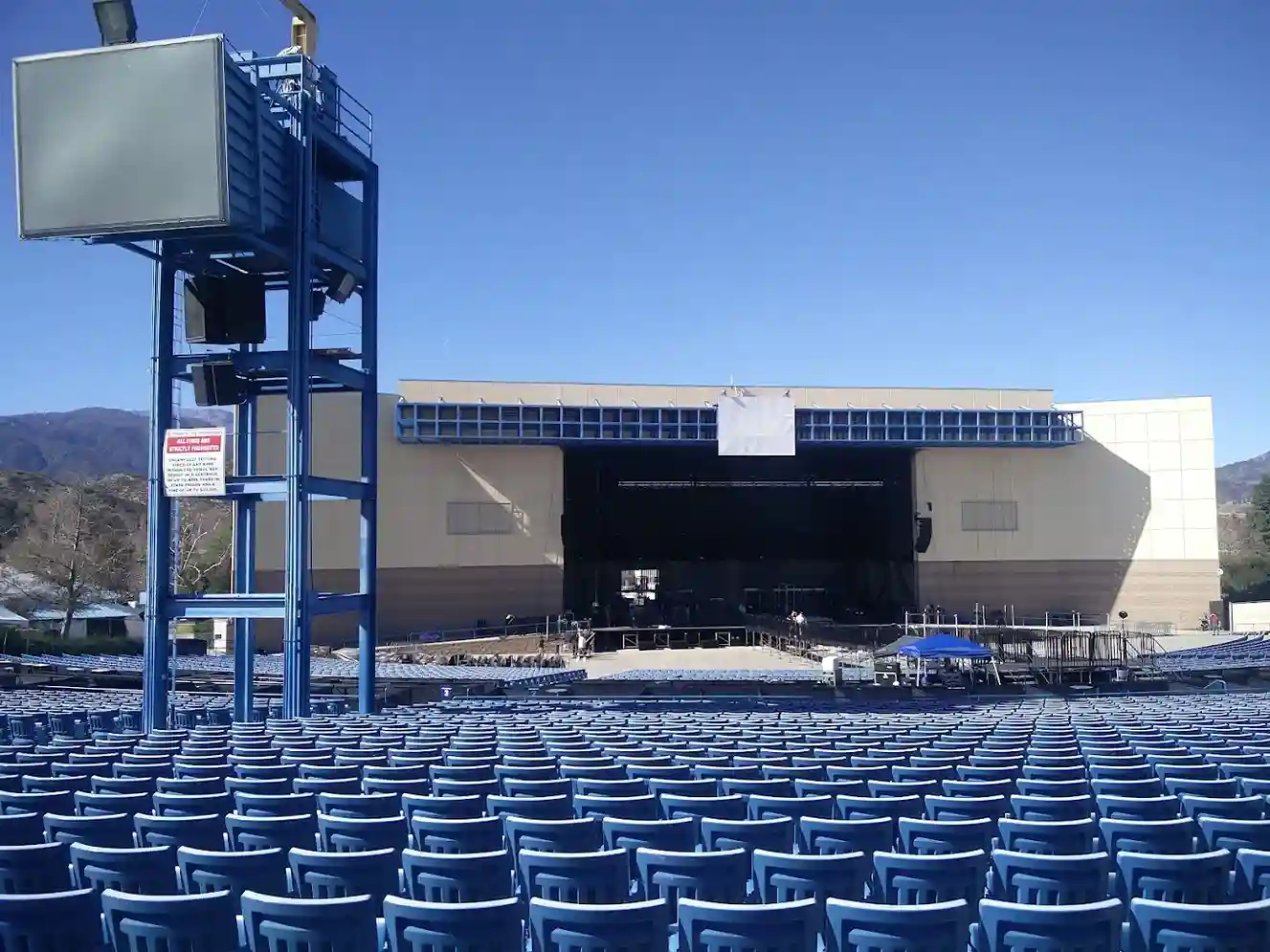
The best seats at Glen Helen Amphitheater depend on the performance’s configuration and your own priorities. The venue’s large outdoor audience area makes it especially useful to distinguish a specific reserved place from an admission category that leaves placement open. Price alone does not tell you which format you are buying.
Open the actual concert’s map before comparing offers. Identify the stage, available ticket categories and any view disclosures. A festival image or a diagram from another performance should not be treated as a permanent ranking of the venue’s seats.
Reserved Locations for Predictability
Reserved tickets suit visitors who want an identified location before arriving. Compare the complete section, row and seat details, then check how the location faces the stage. Two tickets in a similar distance band can sit at different angles across the audience area.
For a group, verify actual adjoining seats rather than buying separately on the assumption that one section name means everyone will sit together. If the listing includes several tickets, check the count and seat sequence before comparing its total price with another offer.
Lower-Area Tickets for Proximity
When being nearer the performers is the priority, inspect the lower-area inventory sold for the specific show. The ticket description should establish whether the location is reserved, general admission or another format. Do not assume the front arrangement matches a previous artist’s concert.
Read any limited-view disclosure attached to the actual ticket. A premium label can describe services or packaging rather than the stage-facing angle. Unsupported promises about acoustics or universally unobstructed sections are less useful than verifying the location you can actually purchase.
Lawn Admission and Viewing Priorities
The lawn is worth comparing when you prefer its outdoor audience format and accept greater distance from the stage. Check the event’s admission conditions and the route to the area before coordinating a group. A general-admission category is different from a guaranteed theater-style seat.
Do not rely on bringing a personal chair: the venue prohibits them. Rental lawn chairs are offered for most performances, with availability to confirm. If attending comfortably depends on one, check the rental before buying rather than leaving it to an assumption at the gate.
Comfort Rules That Affect the Choice
The published blanket allowance is limited to small towels or throws no larger than 30 by 50 inches. Larger picnic blankets and other seating equipment can be refused. That limit makes it important to check your carry-in plan instead of borrowing the rules of another amphitheater.
Compare the complete purchase on the same basis. Admission, a chair rental, hospitality access and a parking upgrade provide different benefits. A larger package price does not automatically improve the viewing position, and a chair add-on is not concert admission.
Accessibility and Assistance
Select designated accessible tickets when you need their features. Accessible parking is outside Gate B, approached by vehicle through Gate 1. Match that route to the ticketed audience location instead of assuming an ordinary close seat provides the same space or path.
Guest Services in Plaza A can assist with seating questions and available services. The venue publishes assistive-listening arrangements and advance interpretation requests. Review those requirements before attending if they affect the choice of location or the support needed during the performance.
Finally, consider departure alongside the ticket. The venue warns of entry and exit waits, and rideshare instructions can vary by show. A suitable seat, workable comfort plan and confirmed return arrangement make a more useful combination than a broad claim that one area is best for every concertgoer.
Frequently Asked Questions
Where should I compare tickets for greater proximity?
Start with the lower-area inventory shown for your particular concert, then verify its admission format and stage-facing position.
What makes reserved tickets useful for a group?
They identify actual places, but the purchased seats must genuinely adjoin if the group wants to sit together.
Is a premium ticket always a better view?
No. Confirm the exact location separately from hospitality, parking or other package benefits.
What should I know before choosing the lawn?
Check the admission format, viewing distance, rental-chair availability and the venue’s restrictions on chairs and blankets.
Can I bring a large blanket and personal chair?
No. Personal chairs are prohibited, and the published small-towel or throw limit is 30 by 50 inches.
How should accessibility affect seat choice?
Select the required accessible features and confirm the arrival route and assistance arrangements before comparing ordinary locations by price.
Official sources: Visiting information · Venue FAQ · Accessibility · Parking options.