
Key Highlights
- Performer detail: Compare orchestra locations and the actual pit format.
- Full-stage perspective: Consider the balcony for orchestral or ballet performances.
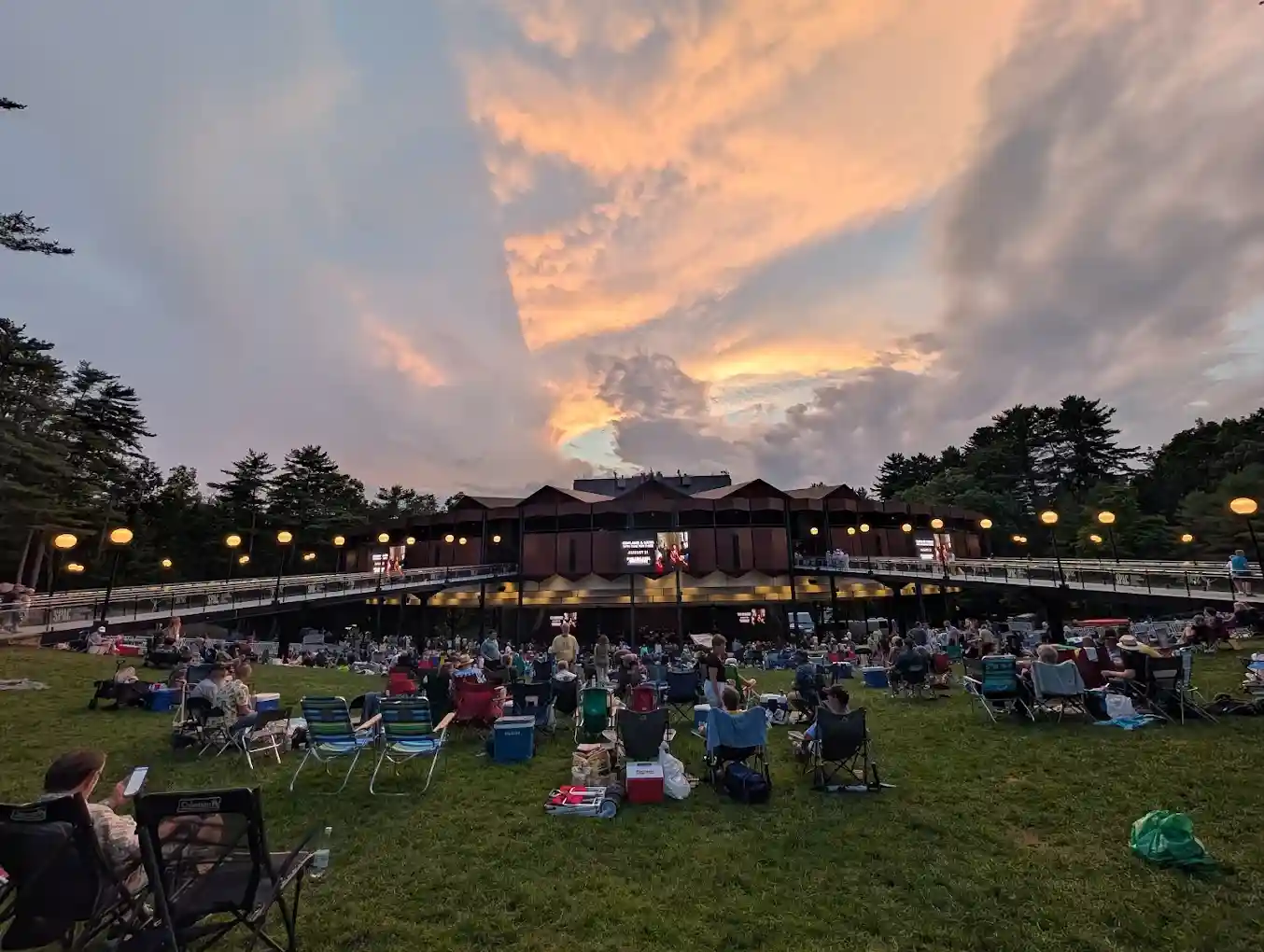
- Outdoor flexibility: Lawn tickets trade assigned placement for a park-setting visit.
- Route needs: Balcony ramps do not remove stairs from every balcony section.
At a Glance
| Your priority | Compare | Before booking |
|---|---|---|
| Nearer performers | Orchestra or front inventory | Exact row, angle and seated versus standing format |
| Full ensemble view | Balcony | Distance, lateral position and stairs |
| Spread-out group visit | General lawn | Event rules, weather and chair arrangements |
| Specific accessible features | Designated inventory | Space, companion placement and arrival route |
The best SPAC seats depend partly on the program. A ballet audience may value seeing the full company’s formations, while a concertgoer following one performer may prioritize distance from the stage. The amphitheater’s orchestra, balcony and lawn offer different ways to balance those needs.
Use the actual performance map and first identify whether the event is SPAC-produced or presented by Live Nation. That distinction affects chair rules and the wider visit. Also establish whether any pit ticket is assigned seating or standing admission before comparing its price with a reserved orchestra chair.
Orchestra Seats for Closer Detail
Orchestra inventory is worth examining when nearer performer detail is the priority. Read the section, row and position across the stage, then compare those details against the actual map. A more central place farther back and a closer side location provide different angles.
The venue states that orchestra sections 1–14 can be reached without stairs. That can help with route planning, but it does not make every ordinary seat equivalent to designated accessible space. Select the actual features needed rather than assuming an aisle ticket supplies them.
Balcony for the Whole Performance
SPAC’s visitor FAQ specifically notes that some guests prefer the balcony to see the entire orchestra or ballet company at once. It is a useful category to compare when the arrangement across the stage matters more than close detail of one musician or dancer.
The elevated perspective comes with greater distance and route considerations. Despite ramps to the level, most balcony locations require stairs. Only designated accessible reserved seats behind sections 16–17 are described as stair-free within the balcony. Consider that distinction before deciding solely on the view shown by a flat diagram.
Decide Whether the Pit Fits
A front ticket should be read carefully. SPAC identifies assigned Section 40 inventory with lettered rows A–F as the seated orchestra pit arrangement. GAPIT tickets with GA row codes describe standing general admission instead. The same general part of the building can therefore support different experiences.
Standing pit admission may suit someone prioritizing that format and proximity, but it cannot provide the certainty of a reserved chair. Resolve the format before purchase if the group needs to remain seated, has different mobility requirements or expects adjoining assigned places.
Lawn for a Park-Setting Visit
The sloping lawn is worth comparing for a more flexible outdoor evening with friends or family. Placement depends on available space, so make a shared arrival plan. Check weather conditions and the actual performance’s permitted items before deciding what to carry.
For Live Nation concerts, personal lawn chairs are prohibited and rentals are offered for most shows. SPAC-produced events have separate chair-height rules, including a lower center-lawn limit. A chair suitable for one type of performance may therefore be unsuitable for another visit to the same venue.
Choose for Comfort and Access Together
Buy genuinely adjoining reserved seats when a fixed group arrangement matters. If specific wheelchair space, companion placement or another accommodation is required, select suitable designated inventory and confirm unclear details with SPAC. Ordinary proximity to an aisle is not a complete accessibility assessment.
SPAC does not provide mobility-device rentals, though limited courtesy carts assist eligible visitors and one companion. Ask about the actual pickup arrangement for the performance. A good ticket choice combines a useful stage perspective with a workable route from the Route 50 entrance or other designated arrival point.
Frequently Asked Questions
Which area should I compare for closer performer detail?
Start with orchestra inventory and the actual front arrangement, checking the row and lateral position on the sale map.
Why might someone choose the balcony?
SPAC notes its appeal for seeing the full orchestra or ballet company. Compare that perspective with distance and stair requirements.
Is the pit always a seated choice?
No. Section 40 with assigned lettered rows and GAPIT standing admission describe different formats.
What should lawn groups plan together?
Arrival, available space and the event’s actual chair rules, rather than expecting individually assigned places.
Does a balcony ramp guarantee stair-free access to every seat?
No. SPAC identifies only designated accessible reserved locations behind sections 16–17 as stair-free within that level.
Can I rent a mobility device from SPAC?
No. Bring the personal device needed and ask separately about limited courtesy-cart assistance.
Official sources: Visitor questions · Accessibility · Getting here and parking · Event ground rules · Amphitheater and seating.