
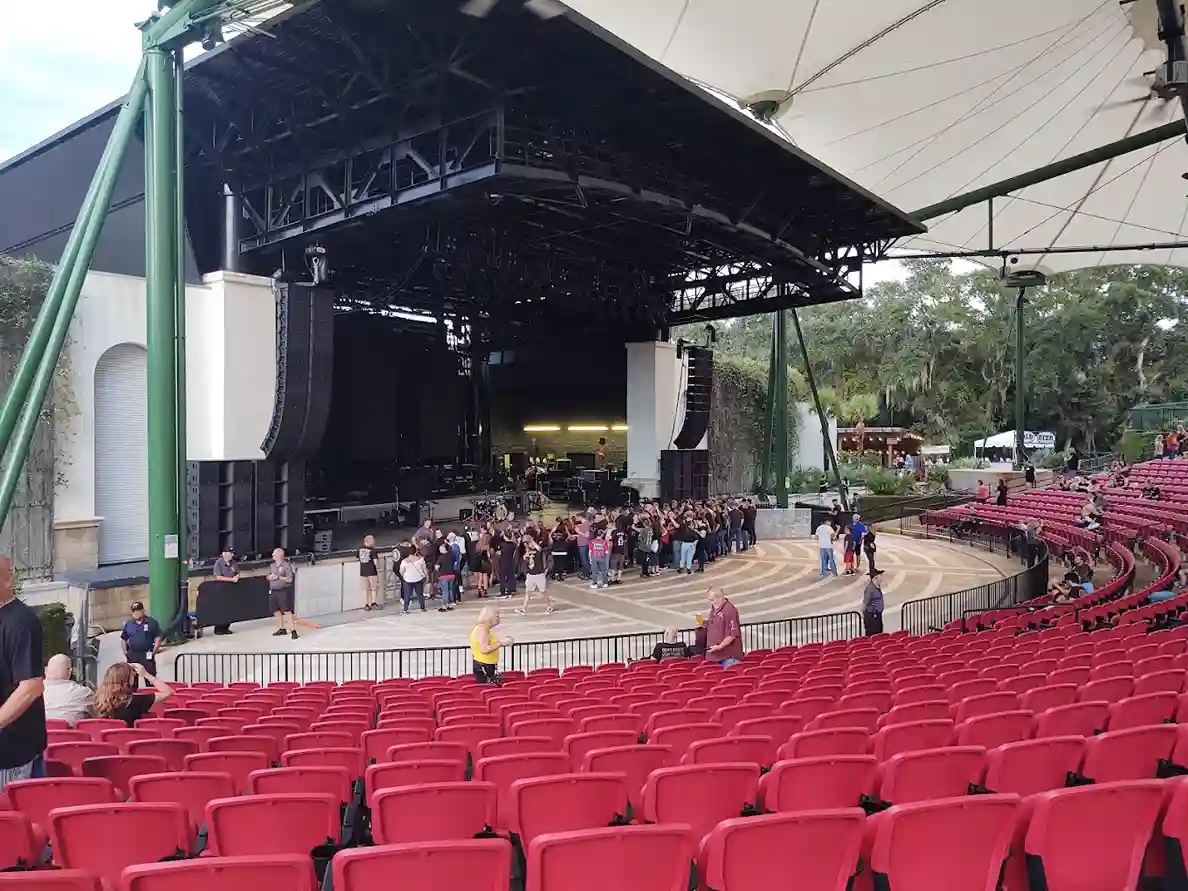
Key Highlights
- Format first: Reserved pit and standing pit serve different needs.
- Central options: Compare actual seats in the middle blocks before paying for closer distance.
- Group numbering: Verify adjacency using the chart’s odd, even and sequential patterns.
- Accessibility first: Book the needed space and companions rather than choosing an ordinary aisle by appearance.
At a Glance
| Priority | Starting Comparison |
|---|---|
| A specific chair | Reserved inventory on the performance map |
| More direct alignment | Central blocks, with the actual seat checked |
| Standing proximity | Standing-pit category when offered |
| Group seating | Assignments verified against numbering patterns |
| Wheelchair accommodation | Designated pit or Section 202 inventory and companions |
The best seats at St. Augustine Amphitheatre depend first on the event’s pit format and the audience features your party needs. The venue publishes both reserved and standing-pit layouts. Selecting a close ticket without reading that distinction can result in a different evening from the one intended.
The following comparisons use the official seating reference and accessibility information. They are practical recommendations based on assignment and layout, not claims of firsthand attendance or guaranteed sound. The actual performance’s inventory and disclosed restrictions should control the final choice.
Reserved Seats for a Defined Place
Choose assigned seating when having a specific chair and meeting place matters. Compare the full section, row and seat instead of relying on a broad category. Friends arriving separately can meet at known assignments, and the group can return to the same places after concessions.
Check adjacency against the chart’s numbering pattern. Side sections use odd or even numbering, while center blocks are sequential. A familiar-looking numerical gap does not establish separation here, so inspect the actual positions or ask the box office before rejecting or purchasing a group offer.
Central Blocks for Stage Alignment
The reserved chart identifies central blocks at different distances from the stage. Begin there when a direct angle is the priority, then compare the exact seat within its row. A position at the far edge of a central block may align differently from what the section name suggests.
Compare a closer suitable assignment with a farther central option on complete cost. Distance is a feature to value, not automatic proof of a better experience. Read any view restriction and consider the actual artist production before paying a premium for a location drawn nearest the stage.
Standing Pit for the Right Guest
A standing-pit ticket may suit someone who wants proximity and is comfortable with the stated format. It should not be treated as a reserved chair because the term pit appears on both venue references. Confirm the actual performance’s description before purchase.
If a guest needs sitting support or cannot stand for much of the evening, choose a suitable assigned or accessible arrangement instead. An order number on general admission does not solve that requirement, and a possible day-of-show relocation should not be the foundation of the booking.
Accessible Inventory Before Standard Rankings
The venue publishes accessible places in the pit and Section 202, Row WC. Discuss the specific requirement and companions when booking. Wheelchair locations are spaces without permanent fixed chairs, so confirm whether the actual inventory fits the device or transfer arrangement needed.
Link the ticket to arrival. Accessible parking is limited and first come in front of the box office, with assisted unloading described if satellite parking is required. A usable route and appropriate audience space can matter more than shaving a small amount of stage distance from an ordinary seat.
Main Stage Versus Backyard Stage
Read the event’s stage before applying these comparisons. Backyard Stage shows are described as standing general admission and use a separate performance space behind the main stage. They should not be evaluated as a choice among the main amphitheater’s numbered reserved levels.
For any stage, review permitted equipment rather than assuming a personal folding chair will make a standing format suitable. The Amp prohibits camping and folding chairs. Discuss an actual accommodation through the venue instead of trying to solve a seating requirement with prohibited leisure equipment.
Consider the Complete Visit
Include parking or the satellite-shuttle plan in the total decision. Limited premium parking and free satellite options involve different arrival arrangements. Choose the audience format that meets essential needs first, then compare the actual ticket price and the transport cost on equal terms.
Frequently Asked Questions
Is standing pit the best choice for everyone?
No. Choose it only if its standing format suits the guest; proximity does not replace required sitting support.
Where should I start for a direct stage angle?
Compare actual seats in the central blocks on the official reserved chart, checking the precise position and restrictions.
How do I confirm a group sits together?
Match every assignment to the chart's odd, even or sequential numbering rather than judging adjacency from numbers alone.
What should wheelchair users prioritize?
The appropriate designated inventory, companions and a confirmed route from arrival to the audience location.
Can I bring a folding chair for a standing show?
No. The security policy prohibits camping or folding chairs; arrange any required accommodation with the venue.
Does the main-stage advice apply to Backyard Stage?
No. Confirm that secondary stage's standing general-admission format and its actual event conditions.
Official sources: Official venue · Seating charts · Accessibility · Directions and parking · Security policies · Sustainability.